

Tue 29 July 2025
Articles | Los Alcazares the Jewel of the Mar Menor
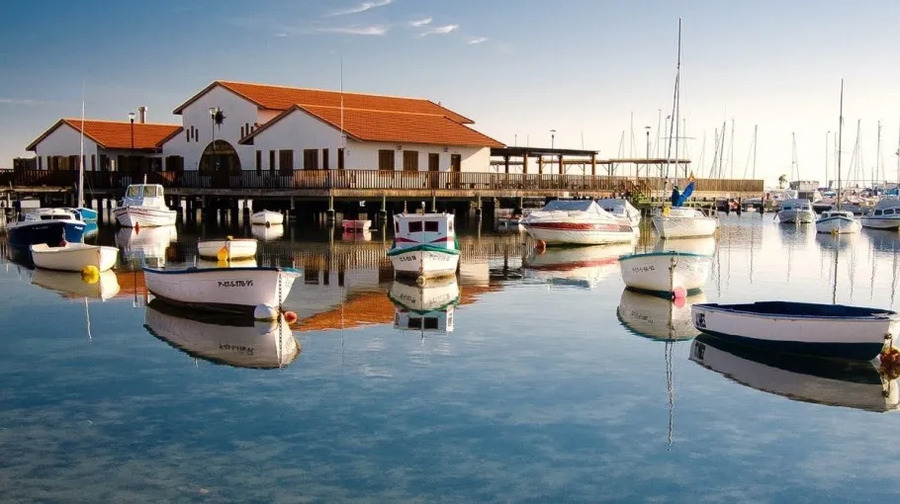
Los Alcázares the Jewel of the Mar Menor, Murcia.
Los Alcázares’ history stretches back to Roman times (around 210 B.C.), when settlers recognized the therapeutic benefits of the saltwater lagoon and built the first spas, salt-meat industry, and Roman baths. In the 6th century, the Arab presence bolstered this development—they constructed palaces and recognized the region’s healing spring.
Following the 1245 Christian conquest, King Alfonso X initiated repopulation, drawing settlers from Castile, Catalonia, and Aragon. Coastal defences like the Rame Tower were erected to resist Berber pirate raids during the 16th and 17th centuries.
A pivotal milestone was the construction in 1915 of Spain’s first military seaplane base, now home to the municipal aeronautics museum—honouring the town’s aviation legacy. Finally, in 1983, Los Alcázares gained full municipal independence from Torre-Pacheco and San Javier, becoming Murcia’s youngest municipality.
Geography, Demographics & Climate
This coastal town covers roughly 20 km², almost all at sea level (about 3–6 m elevation), stretching about 7 km along the Mar Menor. In 2024–25, its population was approximately 20,000 with around 37% being foreign nationals from Europe and North Africa, though many winter in their home countries. Benefiting from the Murcia region’s semi-arid climate, Los Alcázares enjoys over 320 days of sunshine annually, with mild winters and long, sun-drenched summers.
Beaches, Lagoon & Outdoor Life
With about 7 km of sandy beaches backed by a palm-lined promenade, the town offers a range of waterside experiences—from sunbathing to scenic walks.
Popular beaches include:
- Los Narejos
- El Espejo
- La Concha
- Las Palmeras
- Carrion
- Las Salinas
- Manzanares
Playa Carrión has recently been designated as a fully accessible bathing area with adaptive infrastructure (chairlift, ramps, shading) under a regional initiative to improve access across 74 evaluated Murcian beaches.
The calm and shallow waters of the Mar Menor make it ideal for windsurfing, kitesurfing, sailing, kayaking, and paddleboarding. With consistent afternoon breezes, wind-based sports thrive here.
Culture & Community Life
A. Gastronomy
Local cuisine is anchored in fresh seafood and traditional dishes like:
- Caldero: A flavorful fish‑and‑rice dish cooked in a cauldron and served with aioli—a signature of Mar Menor.
- Zarangollo: Scrambled eggs with courgette, onion, sometimes potato.
- Sweet treats like paparajotes and tocino de cielo highlight Murcian flair.
Seasonal events like Día del Caldero in October and the International Week of the Huerta and the Sea in mid‑August celebrate local food, crafts, and folk traditions.
B. Festivals & Events
- The Incursiones Berberiscas (Berber Raids Festival) is held each Easter, with medieval marketplaces, theatrical re‑enactments, street shows, and concerts attracting tens of thousands. In 2025, it reached around 90 % hotel occupancy and is being considered for regional tourist status.
- Semana Santa, the local Holy Week, offers solemn processions and traditional parades, though more modest than larger neighbouring cities.
- Local events include a Carnival in February and Virgen del Carmen in July, honouring maritime heritage.
C. Local Landmarks
Must‑see attractions include:
- Torre del Rame and neighbouring watchtowers (Silva, Blanca, Negro, Saavedra) dating to anti‑pirate defences.
- Hotel‑Balneario La Encarnación, built in 1902–05, where nobility once came for spa cures. Open today as a hotel‑restaurant with sea‑facing terrace.
- Museo Aeronáutico Municipal, housed near the former seaplane base, with models, photos, and drones recounting Spain’s hydroplane history.
- Sculptures such as the Fisherman Monument and Monolith of Independence on the esplanade, commemorating local heritage and autonomy.
Leisure, Sport & Recreation
Golf lovers are well served by nearby facilities:
- Mar Menor Golf Resort, La Manga Club’s world‑class courses, Roda Resort, and La Serena Golf—all within easy driving distance for players of all levels.
The promenade supports walking, jogging, yoga at sunrise, while cycling and day trips to nearby nature reserves—including Salinas and Arenales de San Pedro del Pinatar, La Hita wetlands, and Calblanque Regional Park—offer peaceful excursions.
Living & Local Services
With a strong year‑round community feel, many shops, cafés, and restaurants remain open outside the tourist season. British expatriates comprise a notable portion of residents, preserving an international yet authentically Spanish vibe.
Infrastructure includes:
- Centro de Salud clinics and nearby Hospital Los Arcos del Mar Menor, offering modern care and translation services.
- Regional transport via road and bus connections to Murcia, Cartagena and both Alicante/Murcia airports.
In Summary
Los Alcázares is a dynamic blend of historic charm, coastal leisure, and modern community life. With Roman and Islamic heritage, dramatic festivals, and a Mediterranean-lagoon setting, it's idyllic for sun seekers, water‑sport lovers, golfers, and foodies alike. Its 7 km coastline, vibrant social calendar, and outstanding climate make it both a smart relocation choice and a beloved holiday hideaway. Perfectly suited for families, retirees, or digital nomads looking for a Mediterranean lifestyle anchored in tradition and serenity.